V-Bottom (Sharp Bottom) Paper Bag Making Machine: Applications & Global Market Forecast
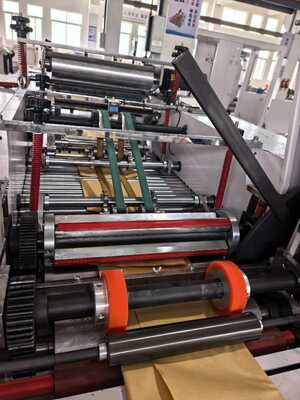
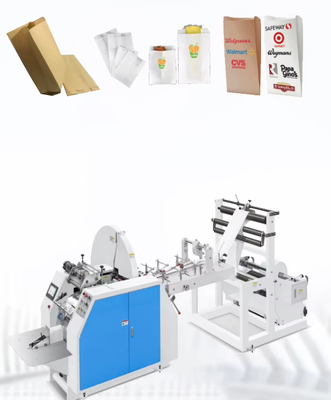
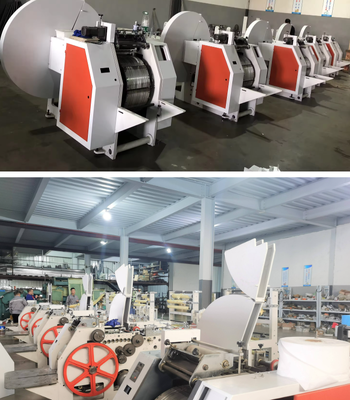
V-bottom paper bag machines are high-speed, cost-effective production equipment ideal for lightweight, flat, and disposable paper packaging. They dominate 41% of the global paper bag machine market and are irreplaceable in high-volume, low-weight scenarios. Below is a deep dive into their applications across industries and a data-driven market forecast framework.
I. Core Applications by Industry & Scenario
V-bottom bags are defined by their pinch-seal V-shape bottom, ultra-high speed (200–700 bags/min), low material cost, and compact flat profile. They are unsuitable for heavy loads (>5kg) but excel in speed and economy.
1. Food & Beverage (Largest Segment, ~57% of Demand)
The biggest driver, fueled by sustainability mandates and fast-food/bakery expansion.
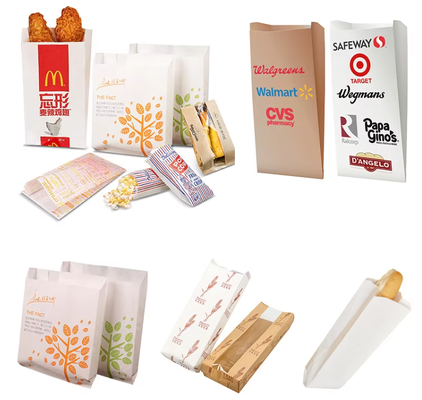
- Bakery & Pastry: Bread loaves, croissants, buns, cookies, donuts.
- Key: High speed, grease-resistant kraft paper, food-grade compliance.
- Fast Food & Takeout: French fries, fried chicken, popcorn, snacks, small meals.
- Key: Greaseproof coating, heat-seal compatibility, disposable design.
- Coffee & Beverage: Single-serve coffee bean bags, tea bags, small powder pouches.
- Confectionery & Snacks: Candy, nuts, chips, dried fruits.
- Grocery & Produce: Small fruit/vegetable bags, herb pouches, pre-packaged snacks.
2. Retail & Consumer Goods
- Pharmacy & Healthcare: Prescription bags, small medical supplies, OTC drug pouches (46% of pharmacy outlets use V-bottom bags).
- Cosmetics & Personal Care: Sample sachets, small skincare pouches, soap wraps.
- Apparel & Accessories: Small accessories, jewelry, socks, underwear packaging.
- Convenience Stores: Single-use bags for small purchases, promotional giveaways.
3. Industrial & Specialty Packaging
- Agriculture: Seed packets, small fertilizer/chemical pouches, flower bulb bags.
- Hardware & Electronics: Small parts, screws, fasteners, electronic components.
- E-commerce & Logistics: Lightweight filler bags, small accessory pouches, invoice envelopes.
- Promotional & Events: Gift bags, party favors, conference swag bags.
4. Key Regional Application Preferences
| Region |
Dominant Scenarios |
Local Requirements |
| North America |
Fast food, pharmacy, retail |
Food safety, grease resistance |
| Europe |
Bakery, organic food, pharma |
EU food-grade, recycled paper |
| Asia-Pacific |
Bakery, street food, e-commerce |
High speed, low cost, small sizes |
| Latin America |
Street food, local retail |
Affordable, compact machines |
| Middle East & Africa |
Bakery, retail, hospitality |
Halal-compliant materials |
II. Global Market Forecast (2026–2035)
A. Market Size & Growth
- 2025 Base: ~USD 128–160 million (varies by report; consensus ~USD 140M).
- 2035 Projection: USD 240–300 million, CAGR 6.5% (2027–2035).
- High-speed segment: CAGR ~3.7% (2026–2032), reaching USD 179M by 2032.
- Asia-Pacific: Fastest growth (CAGR ~7–8%), led by China, India, Southeast Asia.
B. Key Growth Drivers
- Sustainability & Plastic Bans: Global bans on single-use plastics (EU SUP, China’s plastic restrictions) drive paper substitution.
- Food Service Expansion: Fast-food, bakery, and café chains scale globally, demanding high-volume V-bottom bags.
- Cost Efficiency: V-bottom machines use 15–25% less paper and run at 2–3x the speed of square-bottom machines, lowering per-unit cost.
- Automation & Tech Upgrade: Fully automatic lines with servo control, inline printing, and quick changeover boost adoption.
- E-commerce & Small Retail: Surge in small-batch, lightweight packaging for D2C and convenience retail.
C. Market Segmentation Forecast
1. By Machine Type
- Fully Automatic: 70% market share, CAGR ~7% (2026–2035). Dominated by high-speed lines (300–700 bags/min).
- Semi-Automatic: 25% share, CAGR ~4%, for small/mid converters.
- Manual: <5%, declining, niche for artisanal producers.
2. By Bag Size
- Small (≤10×15cm): 45% share (snacks, fries, samples), fastest growth.
- Medium (10×15–25×35cm): 40% (bread, pharmacy, retail).
- Large (>25×35cm): 15% (limited, as V-bottom has lower load capacity).
3. By Material
- Kraft Paper: 60% (standard, cost-effective).
- Recycled Paper: 25% (growing, EU/US preference).
- Greaseproof/Coated Paper: 10% (food service).
- Specialty (laminated, printed): 5% (premium retail).
4. By Region (2026–2035 CAGR)
- Asia-Pacific: 7.2% (China, India, Indonesia lead; China domestic market ~RMB 4.82B by 2026).
- Europe: 5.8% (Germany, Italy, UK; driven by bakery/pharma).
- North America: 5.2% (US, Canada; fast food/pharmacy).
- Latin America: 6.8% (Brazil, Mexico; street food/retail).
- MEA: 6.0% (Turkey, UAE, South Africa; hospitality/retail).
D. Competitive Landscape (Top Players)
- European Leaders: Windmoeller & Hoelscher, Holweg Weber, Curioni (high-end, pharma/food).
- Asian Leaders: Newlong (Japan), Sunhope, Fangbang, Zenbo, Ruizhi (China; mid-to-high speed, cost-competitive).
- Key Trend: Chinese manufacturers gain share via export growth (28.9% YoY in 2025) and tech upgrades.
III. Strategic Market Forecast Framework (Actionable Plan)
1. Demand Forecasting Model
Use this weighted model to project regional demand:
- Sustainability Factor: 1.05–1.15 (plastic ban intensity).
- Food Service Growth: 1.03–1.08 (bakery/fast-food CAGR).
- Regional Penetration: APAC (1.10), Europe (1.08), NA (1.06).
2. Product Strategy
- High-Speed Lines (300–700 bags/min): Target large converters in APAC/Europe.
- Compact, Affordable Models: Target small/mid businesses in Latin America/MEA.
- Food-Grade, Greaseproof Lines: Prioritize food service/pharma.
- Inline Printing & Customization: Meet retail branding demands.
3. Regional Go-to-Market
- Asia-Pacific: Focus on China (baking clusters), India (street food), Indonesia (retail).
- Europe: Target Germany/Italy (pharma/bakery), comply with EU food safety.
- North America: Partner with fast-food chains and pharmacy distributors.
- Latin America/MEA: Offer semi-automatic, low-cost models with local support.
4. Risk Mitigation
- Material Cost Volatility: Secure long-term paper supply contracts.
- Competition: Differentiate via speed, automation, and food-grade certification.
- Regulatory Changes: Stay updated on plastic bans and food safety standards.
IV. Conclusion
V-bottom paper bag machines will remain a core asset in sustainable packaging, driven by food service growth, plastic bans, and cost efficiency. The market will grow at 6.5% CAGR (2027–2035), with Asia-Pacific leading. Success requires aligning product specs (speed, food-grade, compactness) with regional demand and prioritizing automation and sustainability.
Would you like me to condense this into a 1-page executive summary with key numbers, regional priorities, and a 3-year action plan for your sales and product teams?





 English